
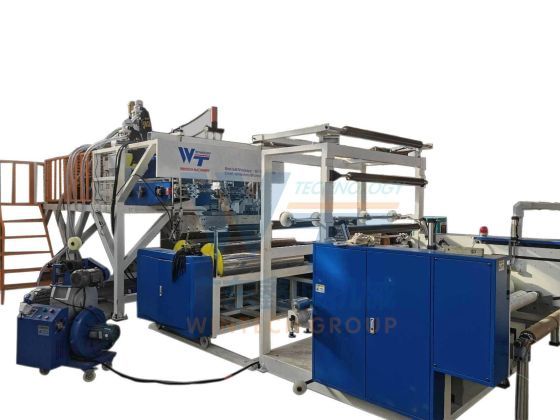
Anyone shopping for this kind of equipment for the first time usually hits the same wall pretty quickly. Prices online range anywhere from around 45,000 dollars to well over a million, and there is rarely a clear explanation of why one line costs so much more than another that looks almost identical in photos. The honest answer is that price depends on a handful of specific variables, and understanding them makes the whole buying process a lot less confusing.
This article walks through what actually drives the cost of this equipment, what you get at each price tier, and a few questions worth asking before signing off on a purchase order.
Why the Price Range Is So Wide
It helps to think of a stretch film machine less like a single product and more like a category, similar to how cars range from a basic hatchback to a fully loaded truck. A compact single layer line meant for a small workshop bears almost no resemblance to a five layer co-extrusion system built for a factory producing tens of thousands of tons a year. Both fall under the same general product name, yet the price gap between them can be tenfold or more.
The Main Factors That Set the Price
Production Capacity
Output capacity, usually measured in kilograms per hour, is one of the biggest cost drivers. A smaller line producing 70 to 100 kilograms an hour will sit at the lower end of the pricing scale. Move up to 300 or 400 kilograms an hour and the price climbs sharply, since higher output demands bigger motors, heavier gearboxes, and stronger structural steel throughout.
Number of Layers
Single layer machines are the simplest and cheapest to build, since they only need one extruder and a simpler die head. Three layer and five layer systems require additional extruders, more complex dies, and tighter control systems to keep each layer uniform. That added complexity is reflected directly in the price tag, often adding tens of thousands of dollars per extra layer of capability.
Automation Level
Fully automatic lines with automatic roll changers, PLC touchscreen controls, and minimal manual intervention cost noticeably more upfront than semi automatic versions that still rely on an operator for certain steps. The tradeoff is labor. A fully automatic line often needs one or two operators per shift, while a semi automatic version might need three or four. Over a few years of operation, the labor savings can offset a good portion of that initial price difference.
Die Width and Film Width
Wider dies allow for wider rolls of film, which is useful for certain industrial applications. But a wider die also means more steel, a bigger frame, and stronger motors to handle the extra load evenly across the width. Machines built around a narrower die, closer to 1000 or 1250 millimeters, generally cost less than those built around 2000 millimeters or more.
Build Quality and Origin
Where a machine is manufactured, and by whom, plays a real role in price too. Established manufacturers with in house engineering teams and a track record of exports tend to charge more than smaller, less established workshops. That premium usually buys tighter tolerances, better after sales support, and equipment that holds up longer under continuous operation.
Rough Price Tiers to Expect
While exact quotes vary by supplier and region, buyers typically encounter a few broad tiers. Entry level single layer lines with modest capacity often land somewhere in the tens of thousands of dollars. Mid range three layer systems with moderate automation tend to fall into the low to mid hundreds of thousands. High output, fully automatic, multi layer systems built for large scale continuous production can run well past half a million, sometimes approaching or exceeding a million dollars depending on width and features.
These numbers move around based on region, current steel and resin prices, and currency fluctuations, so treat them as a rough map rather than a fixed price list.
Hidden Costs Buyers Often Miss
The sticker price on a quote rarely tells the whole story. Shipping heavy industrial equipment across borders can add a meaningful percentage to the total, especially for wide, multi layer lines that weigh several tons. Installation and commissioning, particularly if a technician needs to travel on site, adds further cost. Spare parts, screen changer filters, die lip replacements, and gearbox components should all be budgeted for in the first year or two, since wear parts on continuously running equipment do not last forever. Training operators properly also takes time and sometimes a dedicated technician visit, which some suppliers include and others charge separately.
How to Get an Accurate Quote
Vague requests tend to get vague quotes back. Suppliers respond with more accurate pricing when a buyer can specify a target output in kilograms per hour, the number of layers needed, the film width required, and the level of automation desired. It also helps to ask directly whether the quoted price includes shipping, installation, a training visit, and a warranty period, since these details vary a lot between suppliers even at similar base prices.
Is a Cheaper Machine Actually Cheaper
Not always, and this is where a lot of first time buyers get caught out. A machine priced well below market average often comes with a shorter warranty, thinner steel components, or a control system that lacks the fine tuning needed for consistent gauge thickness. The savings on day one can turn into higher scrap rates and more downtime over a full year of use, which quietly erases whatever was saved at purchase. It is usually worth comparing the total cost of ownership over three to five years rather than focusing purely on the upfront number.
New Equipment vs Used or Refurbished
Buying used is tempting, especially for a first time buyer trying to keep costs down. It can work out well if the machine comes from a reputable seller, has documented maintenance history, and has not sat idle for years rusting in a warehouse. The risk is that wear on critical parts like the extruder screw, barrel, and die head is not always visible from the outside, and refurbishing these components after purchase can quietly erase most of the savings. New equipment costs more upfront but comes with a warranty, current control technology, and a known maintenance history starting from day one. For a business planning to run the line for a decade or more, new equipment is usually the safer bet. For a smaller operation testing the waters before committing to a bigger investment, a well inspected used line can make sense as a starting point.
Financing and Return on Investment
Very few buyers pay the full price of an industrial production line in cash upfront. Equipment financing, leasing arrangements, and supplier payment plans are common across this industry, and spreading the cost over a few years often makes more financial sense than draining working capital in one go. When evaluating return on investment, it helps to calculate cost per kilogram of film produced rather than looking at the machine price in isolation. A more expensive, highly automated line might have a higher purchase price but a lower per unit production cost once labor, scrap rate, and energy use are factored in. Over two or three years of continuous operation, that difference can be significant enough to justify the higher initial spend.
A Practical Checklist Before You Sign
A few practical steps can save a lot of regret later. Get multiple quotes from different suppliers rather than accepting the first number offered. Ask for references or case studies from buyers who purchased a similar capacity line. Confirm exactly what the warranty covers and for how long. Clarify who pays for shipping and whether installation support is included or billed separately. Finally, request a sample roll of film produced on the exact machine model being considered, since seeing and testing the actual output tells you far more than any spec sheet ever will.
Negotiating Without Underpaying for Quality
Negotiating on price is normal and expected in this industry, but it works best when both sides understand what is actually being adjusted. Asking a supplier to shave a few percent off a fair quote for a bulk order or a straightforward payment schedule is reasonable. Asking for a large discount without changing the specification at all is more likely to result in quietly reduced steel thickness, cheaper bearings, or a shorter warranty rather than a genuine reduction in margin. A more productive approach is to ask what could be adjusted to bring the price down within a target budget, whether that means a narrower die width, one fewer layer, or a slightly lower automation level, and let the supplier explain the tradeoff clearly. That way the final number still reflects a machine you actually want, rather than a discount that quietly costs more later in maintenance and downtime.
How Regional Manufacturing Affects Price
Where a machine is built also shifts the price conversation in ways buyers do not always expect. Equipment manufactured in regions with a dense concentration of plastics machinery producers often benefits from established supply chains for steel, motors, and electrical components, which can keep base prices more competitive than equipment built in areas where those parts have to be imported first. That said, lower manufacturing cost does not automatically mean lower final cost once shipping distance, import duties, and currency conversion are added on top. A buyer located far from a low cost manufacturing hub sometimes finds that a slightly pricier machine from a nearby or regionally connected supplier works out cheaper overall once logistics are factored in. This is one more reason total landed cost, not just the factory quote, deserves careful attention before comparing two options side by side.
Common Pricing Mistakes to Avoid
A handful of mistakes come up again and again among first time buyers, and most are easy to avoid once you know to look for them. The first is comparing quotes without checking whether they cover the same scope. One supplier’s number might include installation and a year of spare parts, while another’s covers only the bare machine, making the second look cheaper on paper when it actually is not once everything is accounted for. The second common mistake is underestimating future needs and buying a smaller capacity line to save money upfront, only to outgrow it within a year or two and face the cost of upgrading sooner than planned. The third is skipping a site visit or video call to see the actual factory producing the equipment, which can reveal a lot about build quality and organization that photos alone never show. The fourth is ignoring currency and payment terms, since exchange rate shifts between the quote date and the payment date can quietly add several percent to the final cost on larger international orders. None of these mistakes are complicated to avoid, but they require slowing down enough to read the fine print rather than rushing toward the lowest number on a page.
Final Thoughts
There is no single correct price for this kind of equipment, only a price that fits a specific production goal. A business making a few tons a month has very different needs from one running three shifts a day at industrial scale, and the machine each of them should buy will look different on paper and in cost. The smartest move before requesting quotes is working out your actual required output and film specifications first, then letting suppliers price against that rather than shopping blind. Take the time to write down your target capacity, preferred layer count, and film width before the first call with a sales representative, and the quotes that come back will be far easier to compare against each other on equal footing. A little preparation at this stage tends to pay for itself many times over once the equipment is running and the first invoices for resin and electricity start arriving.