
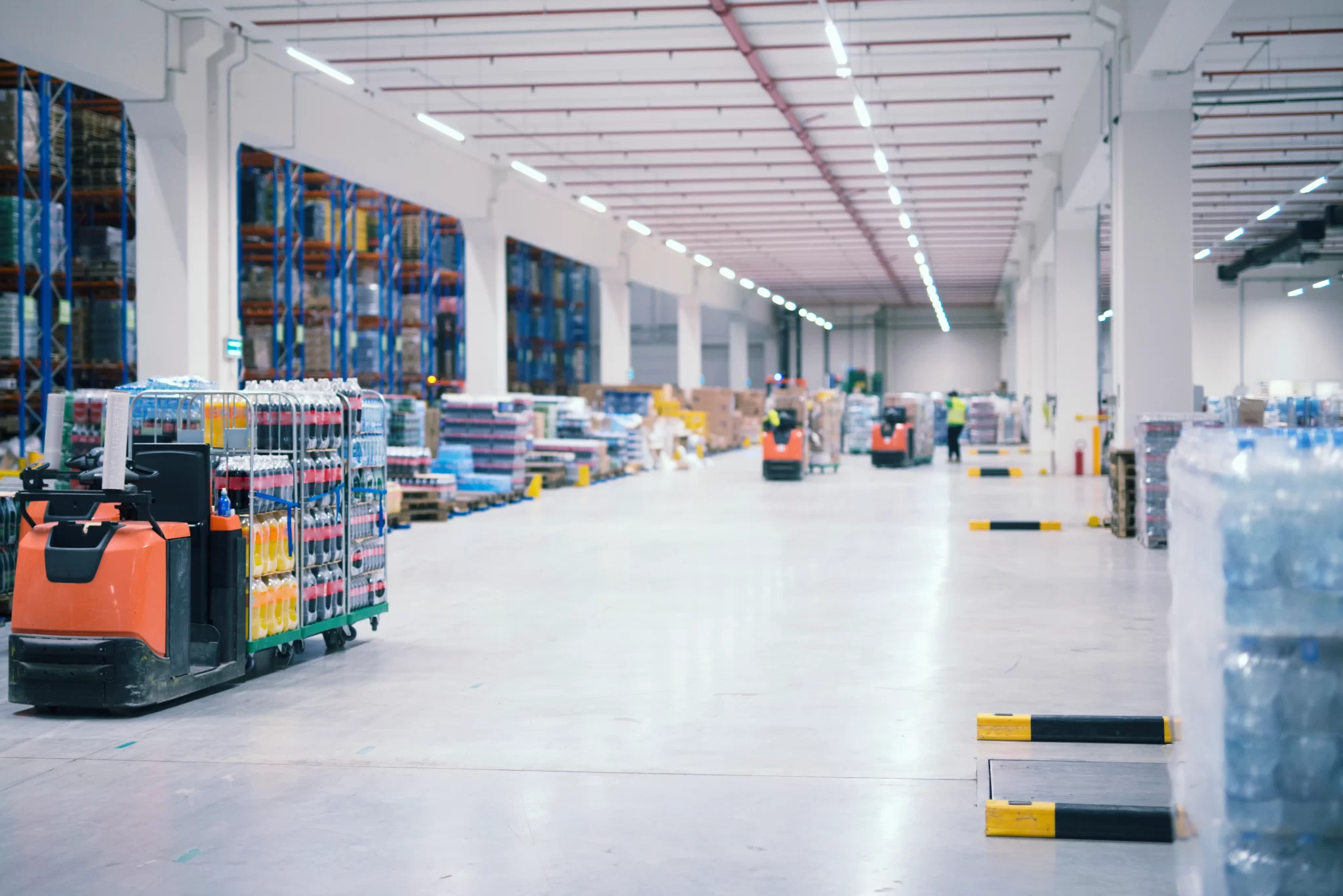
Warehouses are more than just storage spaces—they are hubs of productivity, safety, and efficiency. One critical yet often overlooked aspect of a warehouse is its flooring. The right flooring can improve worker safety, withstand heavy traffic, and even enhance the lifespan of equipment. In this guide, we’ll explore why hiring a professional warehouse flooring installer can make all the difference.
Why Warehouse Flooring Matters
Warehouse floors face constant wear and tear from forklifts, pallets, and heavy foot traffic. Selecting the wrong type of flooring can result in frequent repairs, safety hazards, and costly downtime. A properly installed floor, on the other hand, offers durability, ease of maintenance, and long-term savings.
- Durability and Safety: The first benefit of investing in professional flooring installation is durability. High-quality materials, combined with expert installation, ensure your floors withstand impacts, spills, and abrasions without compromising safety.
What a Professional Warehouse Flooring Installer Brings to the Table
Hiring a warehouse flooring installer is more than just paying for labor—it’s an investment in expertise. Professionals evaluate your warehouse’s unique requirements, recommend the best materials, and ensure the floor is installed to withstand years of heavy use.
Types of Flooring Options
Choosing the right flooring depends on the type of operations your warehouse handles. Some popular options include:
- Epoxy Flooring: Offers seamless surface resistant to chemicals and heavy machinery.
- Polished Concrete: Cost-effective, durable, and low maintenance.
- Vinyl or Rubber Mats: Ideal for areas requiring slip resistance and comfort.
Each option has its advantages, and a professional installer can help match the material to your operational needs.
The Installation Process
A professional warehouse flooring installer follows a precise process to ensure quality and longevity:
- Assessment: They evaluate the current floor condition and identify any issues.
- Preparation: This step involves cleaning, leveling, and repairing the surface.
- Installation: Flooring materials are applied with attention to detail, ensuring evenness, adhesion, and durability.
- Final Inspection: The installer checks for imperfections and ensures the floor meets safety and performance standards.
This structured approach minimizes the risk of future damage and guarantees a longer-lasting investment.
Maintaining Your Warehouse Flooring
Even the most robust warehouse floor requires regular maintenance to maintain its performance and appearance. Simple routines like sweeping debris, promptly cleaning spills, and periodic inspections can extend the floor’s life significantly.
- Preventive Care: Investing in preventive care and maintenance programs recommended by your installer can save thousands in repair costs.
Conclusion
Choosing the right flooring and hiring a professional warehouse flooring installer is essential for creating a safe, efficient, and long-lasting warehouse environment. From assessing your needs to proper installation and maintenance, a skilled installer ensures your warehouse flooring performs optimally for years. Don’t overlook this crucial investment—it’s one step that guarantees safety, durability, and peace of mind in your day-to-day operations.