
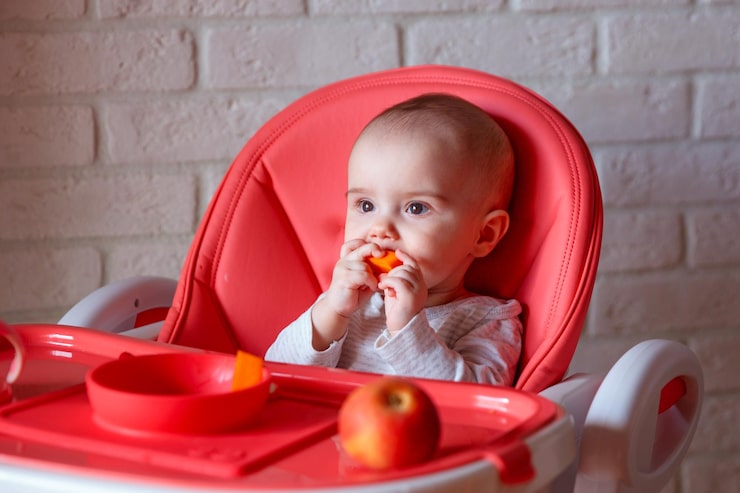
Parents often face the challenge of finding snacks that children enjoy while also supporting their growth and development. Many packaged snacks contain high amounts of sugar, sodium, and artificial ingredients, making it important to choose healthier alternatives. The good news is that nutritious snacks can be delicious, convenient, and appealing to children of all ages. Understanding how to select the right foods can help families build healthier eating habits while ensuring kids get the nutrients they need throughout the day.
A balanced approach to snacking can improve energy levels, concentration, and overall well-being. Choosing healthy snacks for kids is one of the simplest ways parents can encourage better nutrition without making mealtimes stressful.
Why Healthy Snacking Matters for Children
Children are constantly growing, learning, and staying active. Their bodies require a steady supply of nutrients to support physical development and cognitive function. Since children often have smaller stomachs than adults, snacks play an important role in meeting daily nutritional needs.
Nutritious snacks can help maintain stable energy levels between meals and prevent excessive hunger that may lead to overeating later. They also provide opportunities to introduce fruits, vegetables, whole grains, and protein-rich foods into a child’s diet.
Research consistently shows that balanced nutrition supports healthy growth, stronger immunity, and improved academic performance. Healthy snacking is an important part of that foundation.
Essential Nutrients Kids Need in Snacks
Understanding key nutrients can help parents make smarter snack choices.
Protein for Growth
Protein supports muscle development and tissue repair. Foods such as yogurt, cheese, nuts, seeds, and boiled eggs are excellent snack options that provide lasting energy.
Fiber for Digestion
Fiber promotes digestive health and helps children feel full longer. Fruits, vegetables, whole-grain crackers, and oatmeal-based snacks are good sources of fiber.
Healthy Fats for Brain Development
Healthy fats play a vital role in brain function and development. Avocados, nut butters, seeds, and certain dairy products can provide beneficial fats.
Vitamins and Minerals
Fruits and vegetables supply important vitamins and minerals that support immunity, bone health, and overall growth. Colorful produce often provides a wide variety of nutrients.
Easy Healthy Snack Ideas for Busy Families
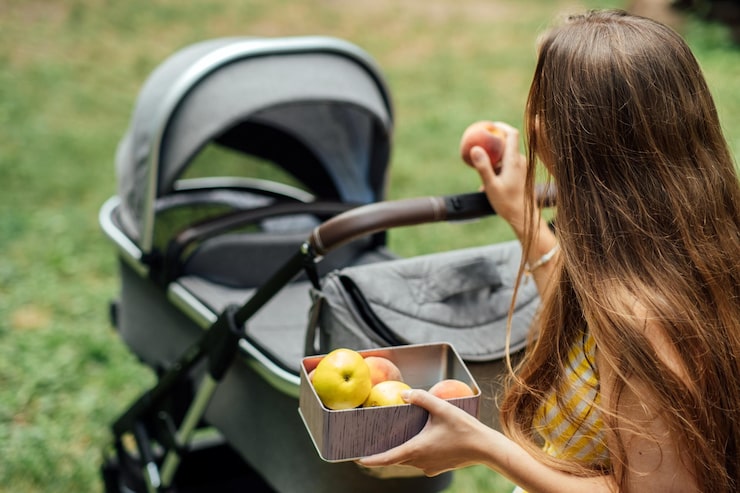
Finding quick and nutritious snacks does not have to be complicated. Many healthy options require little preparation.
Fresh Fruit Combinations
Apples, bananas, berries, grapes, and oranges are naturally sweet and packed with nutrients. Pairing fruit with yogurt or nut butter adds protein and helps create a more satisfying snack.
Vegetable-Based Snacks
Carrot sticks, cucumber slices, cherry tomatoes, and bell peppers can be served with hummus or yogurt-based dips. These combinations add both flavor and nutrition.
Whole Grain Choices
Whole-grain crackers, rice cakes, and homemade oat bars offer fiber and sustained energy. These snacks can be paired with cheese or nut butter for added balance.
Dairy Options
Low-fat yogurt, cheese sticks, and cottage cheese provide calcium and protein. These nutrients are especially important during periods of rapid growth.
How Healthy Snacks Support Better Eating Habits
Healthy snacking can influence a child’s long-term relationship with food. When children regularly consume nutritious foods, they become more familiar with natural flavors and are more likely to make healthier choices as they grow older.
Parents can also use snack time as an opportunity to teach portion control and mindful eating. Encouraging children to recognize hunger and fullness cues helps develop healthy eating behaviors that can last a lifetime.
Consistency is key. Offering a variety of nutritious options regularly increases the likelihood that children will accept and enjoy healthy foods.
Creating a Balanced Family Routine
Nutrition is only one part of a healthy lifestyle. Families often combine good eating habits with physical activity, sleep routines, and practical parenting solutions. For example, parents with infants frequently rely on tools like best baby carriers to stay active while caring for their children. Combining healthy habits with convenient parenting strategies can make daily life more manageable and enjoyable.
A family-focused approach helps create an environment where healthy choices become part of everyday routines rather than occasional efforts.
Common Snacking Mistakes to Avoid
Many parents unintentionally choose snacks that appear healthy but contain large amounts of added sugar. Reading nutrition labels can help identify products with excessive sweeteners or artificial ingredients.
Another common mistake is relying too heavily on processed foods. While convenience matters, incorporating fresh and minimally processed options often provides better nutritional value.
Portion size is also important. Even healthy foods should be served in age-appropriate amounts to encourage balanced eating habits.
Tips for Encouraging Children to Eat Healthy Snacks
Children are more likely to try nutritious foods when they are involved in the process. Allowing them to help choose fruits, vegetables, and snack ingredients can increase interest and participation.
Presentation can also make a difference. Cutting foods into fun shapes or creating colorful snack plates may encourage children to explore new options.
Parents should lead by example as well. When children see adults enjoying healthy foods, they are more likely to follow similar habits.
The Long-Term Benefits of Healthy Snacking
Healthy snack choices contribute to overall wellness by supporting growth, energy, and concentration. They help establish positive eating patterns that may reduce the risk of future health concerns related to poor nutrition.
By consistently providing balanced snacks, parents can help children develop a healthier relationship with food while supporting their physical and emotional well-being.
Conclusion
Healthy snacks play a crucial role in supporting children’s growth, energy, and overall health. By focusing on nutrient-rich foods such as fruits, vegetables, whole grains, dairy products, and protein sources, parents can create satisfying snack options that children enjoy. Developing healthy snacking habits early in life helps build a strong foundation for lifelong wellness and balanced nutrition.
FAQ
1. How often should children eat snacks?
Most children benefit from one to three healthy snacks per day, depending on their age, activity level, and meal schedule.
2. What are the healthiest snacks for school?
Fresh fruit, yogurt, whole-grain crackers, cheese sticks, and vegetable slices are excellent school-friendly snack options.
3. How can I reduce sugary snacks for my child?
Replace highly processed sweets with naturally sweet foods like fruit, yogurt, or homemade snack options that contain less added sugar.